Legal Counsel for Asset-Based & Cash Flow Lending Transactions
Commercial & Industrial (C&I) lending provides essential working capital and operational financing to businesses across a wide range of industries. Unlike real estate-secured lending, C&I credit facilities are typically secured by business assets such as receivables, inventory, equipment, and general intangibles — requiring careful structuring, lien perfection, and covenant design.
At Bean, Kinney & Korman, we represent lenders and borrowers in structuring, negotiating, documenting, and enforcing C&I credit facilities. Our attorneys bring deep experience in secured transactions, collateral structuring, UCC compliance, and enforcement planning — ensuring that credit arrangements are both commercially practical and legally enforceable.
Whether financing growth, stabilizing operations, or restructuring an existing facility, we deliver disciplined legal guidance aligned with business objectives and risk management priorities.
C&I Lending Services
Asset-Based Lending (ABL)
- Structuring loans secured by receivables, inventory, equipment, and general intangibles
- Borrowing base analysis and reporting covenant design
- Collateral monitoring and audit provisions
- Multi-jurisdiction lien perfection strategy
Cash Flow & Enterprise Value Lending
- Structuring facilities based on EBITDA or projected cash flow
- Financial covenant negotiation
- Intercreditor coordination with subordinated lenders
- Guarantee frameworks and cross-collateralization
Revolving Credit Facilities & Term Loans
- Working capital lines of credit
- Delayed draw term loans
- Accordion and expansion features
- Renewal and refinancing documentation
Intercreditor & Priority Planning
- Intercreditor and Subordination agreements
- First-lien / second-lien structuring
- Priority disputes and collateral allocation
- Cross-default and cross-collateralization analysis
Workout & Enforcement Strategy
- Covenant breach analysis
- Forbearance agreements and amendments
- Collateral recovery planning
- Enforcement under UCC Article 9
We structure C&I transactions with litigation awareness — ensuring that if enforcement becomes necessary, rights are clearly preserved and remedies are strategically positioned.
Who We Represent
Our C&I Lending practice serves:
- Regional and community banks
- Private credit funds and alternative lenders
- Asset-based lenders
- Commercial finance companies
- Middle-market borrowers
- Manufacturers and distributors
- Service-based enterprises
- Government contractors
- Multi-entity operating businesses
By representing both lenders and borrowers, we understand the negotiation dynamics and risk allocation considerations on both sides of the credit relationship.
Industries Served
C&I lending is critical in operationally intensive sectors, and we regularly advise clients in:
- Manufacturing and distribution
- Government contracting
- Construction and infrastructure
- Technology and professional services
- Healthcare and specialty services
- Transportation and logistics
- Retail and wholesale operations
- Hospitality and franchise operations
Our industry familiarity strengthens collateral analysis and covenant structuring tailored to sector-specific operational risk.
Commercial & Industrial (C&I) Lending FAQs
What is C&I lending?
Commercial & Industrial (C&I) lending refers to business loans secured primarily by operating assets such as accounts receivable, inventory, equipment, and general intangibles rather than real estate. These facilities typically provide working capital and operational financing.
How is asset-based lending different from cash flow lending?
Asset-based lending relies on specific collateral (e.g., receivables or inventory) and borrowing base formulas, while cash flow lending is based on projected earnings and financial performance. Each structure carries different covenant, reporting, and enforcement considerations.
Why is lien perfection critical in C&I lending?
Proper lien perfection under the UCC ensures that a lender’s security interest is legally enforceable and prioritized over competing creditors. Failure to perfect a lien can result in loss of priority in insolvency or enforcement situations.
What happens if a borrower breaches a financial covenant?
If a borrower violates a covenant, lenders may negotiate amendments, impose default interest, require additional collateral, or pursue enforcement remedies. Legal counsel helps structure responses that balance recovery with relationship preservation.



Recent Highlights
Blog Post

When Is a Lunch Break Really Off the Clock? New DOL Guidance on Compensable Meal Periods
Event
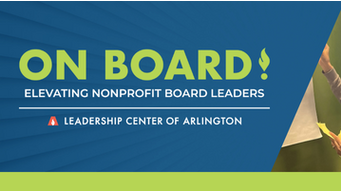
On Board: Elevating Nonprofit Board Leaders, presented by Leadership Center of Arlington
Video
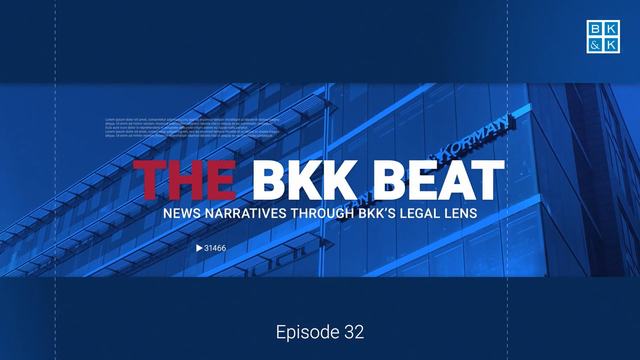
The BKK Beat, Episode 32: IP Law in the News - Fender's Stratocaster, Part 5
News / Publication
23 Attorneys from Bean, Kinney & Korman Recognized as Top Attorneys for 2026 by Arlington Magazine
Blog Post

The IRS May Redraw the Tax-Exemption Line for Private Schools
Event

What the New Non-Compete Rules Mean for Virginia Employers
Video
The BKK Beat, Episode 31: IP Law in the News - Fender's Stratocaster, Part 4
News / Publication