Employment Law
Using Criminal Background Checks in Hiring? Here’s What You Need to Know
October 31, 2025
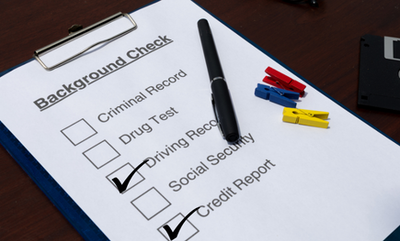
In today’s highly competitive and compliance-driven hiring landscape, criminal background checks have become a standard part of the recruitment process for U.S. employers. According to recent surveys, more than 90% of employers conduct some form of background screening, with criminal history checks being among the most common.
Over the past five years, the use of criminal background checks has not only increased in volume but also in sophistication. Employers are conducting more comprehensive screenings, often including federal, state, and county-level searches, as well as social media and civil litigation checks. This growth is driven by heightened concerns around workplace safety, regulatory compliance, and reputational risk. However, this expansion has also brought increased scrutiny. Legislative changes, such as “ban-the-box” and “clean slate” laws, have made the legal landscape more complex, requiring employers to be more cautious and informed when using criminal history in hiring decisions.
This blog summarizes what has become a complex and rapidly evolving area of the law, outlining some of the benefits and risks to employers, especially those with high employee turnover, utilizing criminal background checks in making employment decisions.
Benefits and Risks of Using Criminal Background Checks
Employers must weigh the advantages of screening job candidates for a criminal history against potential legal risks relating to claims of discrimination, privacy violations, and regulatory missteps. This section outlines the key benefits and risks to help HR professionals and business leaders make balanced, legally sound, and ethically responsible decisions.
Benefits of Criminal Background Checks:
1. Enhanced Workplace Safety: Screening for violent or serious offenses help protect employees, customers, and assets.
2. Reduced Liability: Employers can avoid negligent hiring claims by demonstrating due diligence.
3. Improved Hiring Decisions: Background checks provide a fuller picture of a candidate’s history.
4. Regulatory Compliance: Certain industries (e.g., healthcare, finance, education) require criminal background checks by law.
Potential Risks of Criminal Background Checks:
1. Legal Exposure: Improper use of criminal records can lead to lawsuits under federal or state anti-discrimination laws.
2. Disparate Impact: Blanket exclusions may disproportionately affect minority applicants, violating Title VII.
3. Privacy Concerns: Mishandling sensitive data can breach privacy laws and damage employer reputation.
4. False Positives or Inaccuracies: Incomplete or outdated records can lead to unfair disqualification.
Federal Legal Requirements
The Fair Credit Reporting Act
The Federal Trade Commission is responsible for enforcing the Fair Credit Reporting Act (FCRA), which places strict limitations on employers that gather employee background information, including criminal background information, from third party consumer reporting agencies. The term “consumer report” means any written, oral, or other communication of any information by a consumer reporting agency bearing on a consumer’s credit worthiness, credit standing, credit score, credit capacity, character, general reputation, personal characteristics, or mode of living. That can include information from a variety of sources, including credit reports and criminal records. Thus, a criminal background check is considered to be a “consumer report.”
An employer that uses consumer reports to make employment decisions, including hiring, retention, promotion or reassignment, must comply with the FCRA by taking certain required steps in connection with obtaining and using a “consumer report” related to a job applicant, which can be summarized as follows:
- Before obtaining a consumer report, an employer must:
- Provide written notice to the applicant, in a stand-alone document, that you might use the information in their consumer report for decisions relating to their employment.
- Obtain written permission from the applicant to obtain a consumer report.
- Certify that the company from which you obtain a consumer report is in compliance with the FCRA and EEO laws.
- Before taking an adverse action, i.e., rejecting a job applicant based on information in the consumer report, you must provide the applicant with:
- Notice that includes a copy of the consumer report.
- A copy of the FTC’s A Summary of Your Rights Under the Fair Credit Reporting Act.
- After an adverse action has been taken, based on information in the consumer report, an employer must:
- Give notice of the fact of the adverse action to the applicant, in writing or electronically (oral notice also allowed but is not recommended).
Title VII of the Civil Rights Act of 1964 and EEOC Guidance
The Equal Employment Opportunity Commission (EEOC) is primarily responsible for enforcing federal employment discrimination laws, including Title VII of the Civil Rights Act of 1964 (“Title VII”).
Title VII
Title VII prohibits employment discrimination based on race, color, religion, sex, or national origin. While it doesn’t explicitly regulate criminal background checks, the EEOC has interpreted Title VII to prohibit:
- Disparate Treatment: Treating applicants differently based on protected characteristics.
- Disparate Impact: Using criminal history policies that disproportionately exclude protected groups unless the policy is job-related and consistent with business necessity.
EEOC Guidance on Employer Use of Criminal Histories
The EEOC has become increasingly vigilant in assertion that the blanket exclusion by an employer of all applicants with a criminal history violates federal anti-discrimination law. This is because the employer’s decision to reject such job applicants is, in the EEOC’s view, based on racial or ethnic stereotypes about criminality, rather than qualifications and suitability for the position. The EEOC’s 2012 Enforcement Guidance remains the cornerstone of federal policy on this issue. It emphasizes:
- Avoiding blanket exclusions of individuals with criminal records.
- Using these factors to assess job relevance:
- Nature and gravity of the offense
- Time since the offense or sentence completion
- Nature of the job
- Conducting individualized assessments before making adverse decisions.
- Considering less discriminatory alternatives, such as conditional hiring or probationary periods.
- Employers should document their decision-making process to demonstrate compliance with Title VII.
There is risk to an employer in adopting use of criminal history practices that do not comport with the EEOC’s Guidance is not merely hypothetical. The Commission has vigorously pursued civil litigation against BMW Manufacturing Co. and Dollar General Stores, among others, alleging that both discriminated against minority job applicants by failing to engage in sufficiently individualized assessments of criminal background check results for job applicants.
Virginia State Law Requirements and Restrictions
At the state level, Virginia, has implemented a “ban the box” law and other that restrictions that affect the timing of, an employer’s use of employment-related criminal background checks. Virginia law allows employers to access and consider criminal history, but with important limitations, including:
- Ban-the-Box Law: Public sector employers cannot ask about criminal history on initial applications (Virginia Code §2.2-4317.1).
- Sealed and Expunged Records: Employers cannot consider sealed or expunged records. Virginia’s Clean Slate Law, effective July 1, 2026, will automatically seal certain convictions, further limiting employer access.
- Non-Conviction Records: Employers generally cannot consider arrests that didn’t lead to convictions unless the job involves law enforcement or sensitive duties.
- Juvenile and Deferred Disposition Records: These are typically off-limits unless the job involves vulnerable populations.
- Background Check Sources: Employers must ensure they have legal authority to access records from the Virginia State Police or Central Criminal Records Exchange.
Best Practices for Employers
To strategically and lawfully use criminal background checks, employers should consider adopting the following best practices:
- Develop a Clear Policy:
- Define which roles require background checks and why.
- Align policies with business necessity and job relevance.
- Ensure Legal Compliance:
- Follow FCRA procedures for disclosure, consent, and adverse action.
- Avoid blanket exclusions and apply the EEOC’s guideline factors.
- Stay updated on state-specific laws like Virginia’s Clean Slate Law.
- Conduct Individualized Assessments:
- Evaluate each candidate’s record in context.
- Consider rehabilitation, time elapsed, and relevance to the role.
- Train HR Staff:
- Educate hiring managers on legal risks and fair hiring practices.
- Provide guidance on interpreting criminal records responsibly.
- Document Decisions:
- Maintain records of assessments and justifications.
- Prepare for potential audits or legal challenges.
Conclusion
Criminal background checks are a powerful tool for employers—but they must be used strategically, fairly, and legally. By understanding federal and state requirements, applying EEOC guidance, and implementing best practices, HR professionals and business leaders can protect their organizations while promoting equitable hiring. If you’re unsure about whether your current criminal history use policies align with state and federal laws, please contact Doug Taylor at (703) 525-4000 or rdougtaylor@beankinney.com.
This article is for informational purposes only and does not contain or convey legal advice. Consult a lawyer. Any views or opinions expressed herein are those of the authors and are not necessarily the views of any client.