Resolving Family Law Matters Outside the Courtroom
Not every family dispute requires litigation. Mediation and alternative dispute resolution (ADR) such as Collaborative Divorce, offer structured, private, and often more efficient paths toward resolving divorce and family law matters. These approaches can reduce emotional strain, preserve privacy, and give families greater control over outcomes.
Bean, Kinney & Korman represents clients throughout Maryland, Virginia, and the Washington, D.C. region in mediation and alternative dispute resolution proceedings. These process options may not be appropriate in cases involving domestic violence, coercion, or unwillingness to negotiate in good faith.
Mediation & ADR FAQs
What is mediation?
Mediation is a structured negotiation process in which a neutral mediator helps parties reach agreement. The mediator does not make decisions but facilitates discussion.
Do I still need an attorney in mediation?
Sometimes. Many individuals will choose to participate in mediation without attorneys present in order to save costs and/or attempt to keep the situation more amicable. If both parties are comfortable doing so and have an understanding of the assets and financial needs/resources, then proceeding without attorneys present may be a viable option. Individuals are always permitted to have an attorney advising him/her along the way, particularly in reviewing any final agreement before it is signed, even if the attorney is not directly participating in the mediation sessions. In other circumstances, individuals are more comfortable proceeding with mediation only if lawyers also participate. That is a perfectly appropriate structure for mediation as well. While it has an additional layer of cost, it can be advantageous because the lawyers can provide real time advice to the clients and allow the clients to reach resolution with confidence and with less risking of ‘backsliding’ outside of mediation sessions.
Is mediation legally binding?
Agreements reached in mediation become legally binding once formalized in a written agreement.
How long does mediation take?
The timeline varies depending on complexity and cooperation. Some matters resolve in a few sessions, while others require more extended negotiation.
Is mediation required before trial?
In some jurisdictions, courts may encourage or require mediation before proceeding to trial.
What is Collaborative Divorce?
Collaborative Divorce is an alternative dispute resolution process in which both sides of a dispute retain collaboratively trained attorneys to work together as a team to resolve their family issues outside of court. Additional professional team members, such as a neutral financial specialist, child specialist, and/or a divorce coach may be added to the team based upon the agreement of the parties. The team assists the clients in navigating all elements of a divorce, tending to the financial, legal and emotional aspects of divorce.
How does Collaborative Divorce differ from mediation?
Generally speaking, the Collaborative Process offers a ‘team approach’ with both sides represented during the process by a collaboratively trained attorney whereas in mediation, there is one neutral professional who tries to help the parties reach agreement through facilitation and, at times, evaluation. Both processes are voluntary and both require full and complete exchange of financial information Collaborative offers more structure and more support, but typically at a higher cost than mediation.
How long does the Collaborative Process take?
Each case is different, however, on average, a matter can take anywhere from 6-12 months to reach full resolution. It is usually less time than a litigated process.


Blogs



Videos



News & Publications





Recent Highlights
Blog Post

What Is Worrying Our Nonprofit Clients – Part V: Political Risk and the Nonprofit Mission
Event
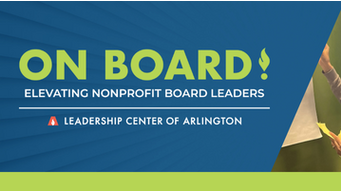
On Board: Elevating Nonprofit Board Leaders, presented by Leadership Center of Arlington
Video
The BKK Beat, Episode 32: IP Law in the News - Fender's Stratocaster, Part 5
News / Publication

23 Attorneys from Bean, Kinney & Korman Recognized as Top Attorneys for 2026 by Arlington Magazine
Blog Post

When Can Nonprofit Employees Volunteer for Their Employer?
Event

What the New Non-Compete Rules Mean for Virginia Employers
Video
The BKK Beat, Episode 31: IP Law in the News - Fender's Stratocaster, Part 4
News / Publication