Strategic Drafting, Negotiation & Risk Management for Commercial Agreements
Contracts define business relationships, allocate risk, protect revenue, and establish enforcement rights. Poorly drafted agreements create ambiguity, litigation exposure, and financial loss. At Bean, Kinney & Korman, we provide strategic contract drafting, negotiation, and review services designed to protect our clients’ interests while supporting operational efficiency and long-term growth.
We advise businesses, investors, nonprofit organizations, lenders, developers, and entrepreneurs on commercial agreements across a wide range of industries. Our approach balances precision, enforceability, and practical business judgment — ensuring contracts are both legally sound and commercially realistic.
Whether structuring high-value transactions or standardizing internal contract frameworks, we help clients reduce risk, clarify obligations, and strengthen negotiating leverage.
Comprehensive Contract Services
Commercial Agreements
- Master service agreements
- Vendor and supplier contracts
- Customer and client agreements
- Licensing and distribution agreements
- Consulting and independent contractor agreements
Transactional & Strategic Agreements
- Purchase and sale agreements
- Asset acquisition contracts
- Joint venture and partnership agreements
- Confidentiality and non-disclosure agreements (NDAs)
- Memoranda of understanding (MOUs)
Risk Allocation & Protection
- Limitation of liability provisions
- Indemnification clauses
- Insurance and risk transfer provisions
- Dispute resolution and arbitration clauses
Industry-Specific Contracts
- Government subcontract agreements
- Construction and development agreements
- Franchise agreements
- Real estate-related contracts
- Financing and loan documentation
Contract Audits & Standardization
- Internal contract review and compliance audits
- Template development and contract playbooks
- Risk assessment and clause optimization
- Governance alignment for enterprise-wide consistency
We draft and negotiate agreements with litigation-readiness in mind — ensuring that if disputes arise, enforcement rights are clearly preserved.
Who We Represent
Our Contracts practice supports:
- Closely held and middle-market businesses
- Government contractors and federal subcontractors
- Real estate developers and commercial landlords
- Construction companies and subcontractors
- Financial institutions and private lenders
- Professional services firms
- Technology and innovation companies
- Nonprofit and mission-driven organizations
- Franchise operators and brand owners
We represent clients on both sides of contractual negotiations, giving us insight into leverage points and risk exposure from multiple perspectives.
Industries Served
We regularly draft and negotiate contracts in industries such as:
- Government contracting and federal procurement
- Commercial real estate and development
- Construction and infrastructure
- Financial services and lending
- Technology and professional services
- Hospitality and franchising
- Healthcare and regulated sectors
- Nonprofit and association operations
Understanding industry norms and regulatory considerations allows us to draft agreements that are commercially viable and legally enforceable.
Contracts FAQs
Why is professional contract drafting important?
Well-drafted contracts clearly define rights, obligations, payment terms, termination provisions, and dispute resolution mechanisms. Professional drafting reduces ambiguity, minimizes litigation risk, and strengthens enforceability if disputes arise.
What are the most important clauses in a commercial contract?
Critical clauses typically include indemnification provisions, limitation of liability language, termination rights, dispute resolution procedures, payment terms, and confidentiality protections. The appropriate balance depends on your industry and risk tolerance.
Should businesses use standardized contract templates?
Standardized templates improve efficiency and consistency but should be tailored to specific transactions and regularly updated. Legal review ensures templates remain compliant with evolving law and aligned with current business operations.
Can a poorly written contract increase litigation risk?
Yes. Ambiguous or incomplete agreements often lead to disputes over interpretation, scope of work, payment obligations, or termination rights. Clear drafting reduces the likelihood of costly litigation and protects your negotiating position.








Videos
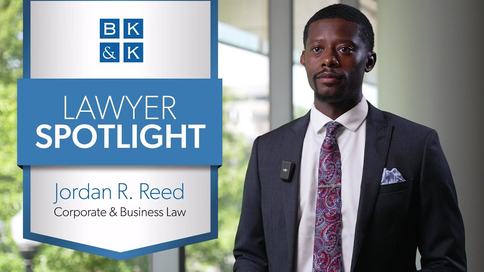




Recent Highlights
Blog Post

What Is Worrying Our Nonprofit Clients – Part V: Political Risk and the Nonprofit Mission
Event
On Board: Elevating Nonprofit Board Leaders, presented by Leadership Center of Arlington
Video
The BKK Beat, Episode 32: IP Law in the News - Fender's Stratocaster, Part 5
News / Publication
23 Attorneys from Bean, Kinney & Korman Recognized as Top Attorneys for 2026 by Arlington Magazine
Blog Post

When Can Nonprofit Employees Volunteer for Their Employer?
Event
What the New Non-Compete Rules Mean for Virginia Employers
Video
The BKK Beat, Episode 31: IP Law in the News - Fender's Stratocaster, Part 4
News / Publication