Strategic Legal Counsel for Land Development, Planning & Regulatory Compliance
Land use and zoning regulations shape how property can be developed, improved, and used. From initial feasibility and zoning entitlement to technical agency approvals and litigation of contested decisions, navigating this regulatory landscape requires deep legal knowledge, strategic foresight, and practical engagement with government processes.
Bean, Kinney & Korman provides comprehensive land use and zoning counsel to developers, property owners, investors, and local governments throughout Maryland, Virginia, and the Washington, D.C. region. We help clients understand regulatory constraints, secure discretionary and ministerial approvals, implement technical requirements, and, when necessary, pursue or defend appeals and litigation.
Our attorneys combine legal expertise with industry insight so that land development projects progress efficiently, with minimized risk and maximized opportunity.
Land Use & Zoning Practice Areas
Feasibility & Strategic Planning
We evaluate the regulatory landscape before you invest time or capital — identifying constraints, opportunities, and risk mitigation strategies early in the project lifecycle.
Entitlements & Discretionary Approvals
From rezoning and special use permits to conditional use and planned unit development approvals, we help clients obtain discretionary permissions necessary for development.
Technical Approvals & Post-Approval Implementation
We coordinate with municipal and county agencies on technical permits — from grading and stormwater to building and occupancy — and help clients satisfy post-approval conditions.
Community Process, Appeals & Litigation
When land use approvals are contested, delayed, or revoked, we represent clients in administrative appeals, judicial review, and public hearings to protect project rights and entitlements.
Why Legal Counsel Matters in Land Use & Zoning
Land use regulations can significantly affect property value, development timelines, financing viability, and community reputation. Key points often require legal analysis:
- Zoning classifications and overlays
- Comprehensive plans and future land use designations
- Overlay districts (historic, environmental, mixed-use, transit)
- Special exceptions, variances, conditional use permits
- Impact fees, utility agreements, and dedications
- Agency coordination and administrative appeals
Seasoned legal counsel anticipates regulatory challenges and aligns development strategy with municipal, county, and regional plans.
Who We Represent
Our Land Use & Zoning practice serves:
- Real estate developers
- Property owners and investors
- Commercial and mixed-use project sponsors
- Institutional clients and investment groups
- Local governments, authorities, and public entities
- Community associations
- Franchise developers with land development obligations
- Government contractors needing land use approvals
We tailor our approach to client objectives and risk tolerance, whether seeking approvals, managing compliance, or defending entitlement decisions.
Industries Served
We advise clients across sectors where land use decisions matter most, including:
- Commercial and retail development
- Mixed-use and urban redevelopment
- Residential and multi-family projects
- Industrial and logistics facilities
- Healthcare and institutional campuses
- Hospitality and entertainment venues
- Transit-oriented development (TOD)
- Infrastructure and public works projects
Industry context informs strategy for entitlements, public engagement, and risk management.
Land Use & Zoning FAQs
What are zoning regulations?
Zoning regulations divide a jurisdiction into districts and govern how property within each district may be used. Zoning determines allowable uses, building size, setbacks, density, parking, and other development standards.
What is a land use entitlement?
An entitlement is legal permission from a government entity to develop or use property in a certain way — such as rezoning, special use permit, variance, or planned unit development approval. Securing entitlements ensures compliance with local plans and codes.
Do all development projects require discretionary approvals?
Not all — some projects fall within “by-right” standards and need only technical permits. However, projects that deviate from base zoning standards, increase density, or require special considerations typically need discretionary approvals.
What is an administrative appeal in land use?
An administrative appeal challenges a government agency’s decision on zoning or permitting — for example, denial of an application or imposition of conditions viewed as unlawful. Appeals can be pursued within agency processes or in court.
Why should I involve legal counsel early?
Early legal involvement helps evaluate feasibility, identify regulatory constraints, structure entitlements strategy, influence municipal plan alignment, and avoid costly delays later in the development process.


Representative Matters
Commonwealth Transp. Comm’r of Va. v. Ourisman Dodge, Inc., 73 Va. Cir. 485 (2007)
View document (PDF)Renkey v. County Bd., 272 Va. 369 (2006)
View document (PDF)Rezoning # PLN 2007-00239, Baywood Hotels – Potomac Mills – Occoquan Magisterial District
Served as attorney for the Baywood Hotels – Potomac Mills project to develop a hotel known as the SpringHill Suites. The new hotel was reviewed and approved by Prince William Board of County Supervisors on June 5, 2007. The project is an 80-room high-rise hotel made possible by the rezoning of 1.92 acres from A-1 Agricultural to O(H) Office High-Rise. The new hotel is located off of Interstate 95 and Prince William Parkway in Prince William County.
SE #2012-DR-003, TD Bank, N.A. – Old Dominion – Dranesville Magisterial District
Spectrum Healthcare v. Bd. Of Supervisors, 2011 Va. Lexis 252 (2011)
View document (PDF)SUP# PLN2007-00354, Baywood Hotels – Balls Ford Road
Served as attorney for the Baywood Hotels – Ball Ford Road project to develop a hotel known as the TownePlace Suites. The new hotel was reviewed and approved by Prince William Board of County Supervisors on June 20, 2007. The project is a mid-rise hotel on 2.0 acres, zoned B-1. The new hotel is located off of Balls Ford Road just south of Highway 66 and 1,800 feet east of the intersection of Balls Ford Road and Sudley Road. A relevant issue in this case was the hotel’s impact on the viewshed of the Manassas Battlefield.
Blogs


Videos


News & Publications

Recent Highlights
Blog Post

What Is Worrying Our Nonprofit Clients – Part V: Political Risk and the Nonprofit Mission
Event
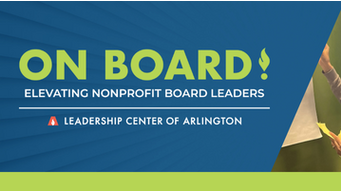
On Board: Elevating Nonprofit Board Leaders, presented by Leadership Center of Arlington
Video
The BKK Beat, Episode 32: IP Law in the News - Fender's Stratocaster, Part 5
News / Publication
23 Attorneys from Bean, Kinney & Korman Recognized as Top Attorneys for 2026 by Arlington Magazine
Blog Post

When Can Nonprofit Employees Volunteer for Their Employer?
Event

What the New Non-Compete Rules Mean for Virginia Employers
Video
The BKK Beat, Episode 31: IP Law in the News - Fender's Stratocaster, Part 4
News / Publication