Protecting Reputation & Defending Against False Statements
A person’s or company’s reputation is a critical asset. False statements — whether written (libel) or spoken (slander) — can cause significant personal, professional, and financial harm. When defamatory statements are made, swift and strategic legal action may be necessary to protect reputation and limit damage.
Bean, Kinney & Korman represents individuals, executives, professionals, and businesses in defamation matters throughout Maryland, Virginia, and the Washington, D.C. region. We pursue and defend defamation claims with a disciplined litigation strategy designed to protect credibility, restore standing, and seek appropriate remedies.
Our attorneys evaluate the legal elements of defamation carefully — balancing evidentiary standards, privilege defenses, damages exposure, and strategic risk before initiating or responding to claims.
Defamation Legal Services
Libel & Slander Claims
- Evaluation of false written statements (libel)
- Evaluation of false spoken statements (slander)
- Assessment of falsity, publication, and damages
- Strategy for filing civil defamation claims
We help clients determine whether statements meet legal thresholds for actionable defamation.
Professional & Business Defamation
- Harm to business reputation
- False statements affecting professional licensing
- Interference with business relationships
- Defamation impacting contracts or employment
Reputational harm in professional settings can carry long-term consequences.
Defense of Defamation Claims
- First Amendment and privilege defenses
- Opinion vs. fact analysis
- Public figure and actual malice standards
- Pre-litigation resolution and dismissal strategy
We represent individuals and businesses accused of defamation, providing strategic and assertive defense.
Retraction & Mitigation Strategy
- Retraction demands
- Settlement negotiations
- Damages analysis
- Injunctive relief where appropriate
Not all disputes require full litigation; strategic resolution may limit exposure.
Related Claims
- False light
- Business disparagement
- Interference with contractual relations
- Reputation-related tort claims
We analyze all potential legal remedies available to protect reputation.
Who We Represent
Our Defamation practice serves:
- Business owners and corporate executives
- Professionals (including healthcare, financial, and consulting professionals)
- Closely held businesses
- Employers and employees
- Nonprofit leaders and organizations
- Individuals facing reputational harm
We provide discreet and strategic representation tailored to each client’s circumstances.
Industries Served
We regularly advise clients in industries where reputation is essential, including:
- Professional services and consulting
- Healthcare and medical practices
- Financial services
- Government contracting
- Construction and development
- Nonprofit and association leadership
- Corporate and executive environments
Industry awareness informs both damages analysis and litigation strategy.
Defamation FAQs
What is defamation?
Defamation occurs when a false statement of fact is communicated to a third party and causes harm to a person’s or business’s reputation. Written statements are typically referred to as libel, while spoken statements are slander.
What must be proven in a defamation case?
A plaintiff generally must prove that the statement was false, presented as fact, communicated to others, and caused reputational harm. In cases involving public figures, proof of “actual malice” may also be required.
What is the difference between fact and opinion in defamation law?
Statements of opinion are generally protected and not actionable. Defamation claims focus on false statements of fact that can be objectively proven true or false.
Can businesses bring defamation claims?
Yes. Businesses can pursue defamation claims when false statements harm commercial reputation, customer relationships, or financial interests.
Are retractions required before filing a lawsuit?
In some circumstances, a retraction demand may strengthen a claim or mitigate damages. Legal counsel can advise on strategic timing and procedural considerations before litigation.






Videos

News & Publications



Recent Highlights
Blog Post
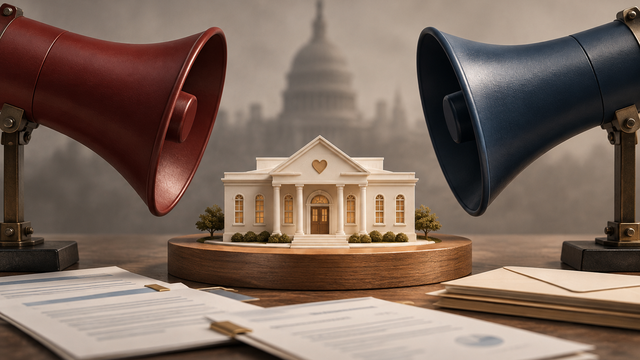
What Is Worrying Our Nonprofit Clients – Part V: Political Risk and the Nonprofit Mission
Event
On Board: Elevating Nonprofit Board Leaders, presented by Leadership Center of Arlington
Video
The BKK Beat, Episode 32: IP Law in the News - Fender's Stratocaster, Part 5
News / Publication
23 Attorneys from Bean, Kinney & Korman Recognized as Top Attorneys for 2026 by Arlington Magazine
Blog Post

When Can Nonprofit Employees Volunteer for Their Employer?
Event

What the New Non-Compete Rules Mean for Virginia Employers
Video
The BKK Beat, Episode 31: IP Law in the News - Fender's Stratocaster, Part 4
News / Publication