Strategic Representation in Lease & Property Disputes
Commercial landlord-tenant disputes can disrupt business operations, threaten cash flow, and expose parties to significant financial risk. Lease agreements often involve complex rent structures, operating expense allocations, repair obligations, guaranties, and termination provisions that require careful legal interpretation.
Bean, Kinney & Korman represents landlords and commercial tenants in disputes arising from commercial lease agreements throughout Maryland, Virginia, and the Washington, D.C. region. We handle litigation, arbitration, mediation, and negotiated resolutions involving retail, office, industrial, mixed-use, and multi-property portfolios.
We also represent residential landlords in Virginia with lease drafting and litigation.
Our attorneys combine deep knowledge of lease structures with litigation experience to protect property rights and business interests.
Commercial Landlord-Tenant Services
Lease Enforcement & Breach of Lease Claims
- Non-payment of rent and operating expenses
- CAM and expense allocation disputes
- Default notices and cure analysis
- Enforcement of guaranties
- Lease acceleration and damages claims
We help landlords enforce rights and tenants evaluate defenses.
Evictions & Possession Actions
- Unlawful detainer proceedings
- Holdover tenant disputes
- Early termination and possession strategy
- Negotiated surrender agreements
Time-sensitive possession disputes require swift and strategic action.
Lease Interpretation & Disputes
- Use clause conflicts
- Exclusive use violations
- Assignment and sublease disputes
- Renewal option disagreements
- Repair and maintenance obligations
Clear legal interpretation can determine financial exposure and leverage.
Tenant Defense Representation
- Defense against eviction or termination (commercial only)
- Rent abatement and constructive eviction claims
- Lease modification and restructuring negotiations (commercial only)
- Dispute resolution in distressed tenancy situations
We represent commercial tenants seeking to protect operational continuity.
Lease-Related Litigation in Development & Construction
- Disputes arising from build-outs
- Delays in delivery or tenant improvements
- Co-tenancy clause enforcement
- Anchor tenant disputes
Complex development projects often involve overlapping contractual obligations.
Who We Represent
Our Commercial Landlord-Tenant practice represents:
- Commercial property owners and landlords
- Retail and shopping center owners
- Office building operators
- Industrial property managers
- Real estate investment groups
- Franchise and multi-unit tenants
- Professional service tenants
- Developers and project sponsors
- Residential landlords
We represent both landlords and tenants, offering balanced insight into negotiation and litigation dynamics.
Industries Served
We regularly handle commercial lease disputes in:
- Retail and shopping centers
- Hospitality and restaurant operations
- Office and professional services
- Industrial and warehouse facilities
- Healthcare facilities
- Franchise and multi-location businesses
- Mixed-use developments
- Government contractor facilities
Industry familiarity informs risk evaluation and lease strategy.
Commercial Landlord-Tenant FAQs
What is the difference between commercial and residential lease disputes?
Commercial lease disputes involve business tenants and typically offer fewer statutory protections than residential leases. Commercial leases are heavily negotiated contracts, and enforcement depends largely on the agreement’s specific terms.
Can a landlord accelerate rent after default?
In commercial leases only subject to the language of the lease. Many commercial leases contain acceleration clauses allowing landlords to demand remaining rent after default. Enforceability depends on lease language and jurisdiction-specific standards.
What is constructive eviction?
Constructive eviction occurs when a landlord’s actions or failure to act substantially interfere with the tenant’s use of the premises. Tenants may assert constructive eviction as a defense in certain circumstances.
What happens if a tenant holds over after lease expiration?
A holdover tenant may be subject to increased rent penalties or eviction proceedings, depending on the lease terms and applicable law.
Can commercial lease disputes be resolved without litigation?
Yes. Many disputes resolve through negotiation, mediation, or lease restructuring. However, litigation may be necessary when rights cannot be preserved through settlement.
Commercial Landlord-Tenant Services
Lease Enforcement & Breach of Lease Claims
- Non-payment of rent and operating expenses
- CAM and expense allocation disputes
- Default notices and cure analysis
- Enforcement of guaranties
- Lease acceleration and damages claims
We help landlords enforce rights and tenants evaluate defenses.
Evictions & Possession Actions
- Unlawful detainer proceedings
- Holdover tenant disputes
- Early termination and possession strategy
- Negotiated surrender agreements
Time-sensitive possession disputes require swift and strategic action.
Lease Interpretation & Disputes
- Use clause conflicts
- Exclusive use violations
- Assignment and sublease disputes
- Renewal option disagreements
- Repair and maintenance obligations
Clear legal interpretation can determine financial exposure and leverage.
Tenant Defense Representation
- Defense against eviction or termination (commercial only)
- Rent abatement and constructive eviction claims
- Lease modification and restructuring negotiations (commercial only)
- Dispute resolution in distressed tenancy situations
We represent commercial tenants seeking to protect operational continuity.
Lease-Related Litigation in Development & Construction
- Disputes arising from build-outs
- Delays in delivery or tenant improvements
- Co-tenancy clause enforcement
- Anchor tenant disputes
Complex development projects often involve overlapping contractual obligations.
Who We Represent
Our Commercial Landlord-Tenant practice represents:
- Commercial property owners and landlords
- Retail and shopping center owners
- Office building operators
- Industrial property managers
- Real estate investment groups
- Franchise and multi-unit tenants
- Professional service tenants
- Developers and project sponsors
- Residential landlords
We represent both landlords and tenants, offering balanced insight into negotiation and litigation dynamics.
Industries Served
We regularly handle commercial lease disputes in:
- Retail and shopping centers
- Hospitality and restaurant operations
- Office and professional services
- Industrial and warehouse facilities
- Healthcare facilities
- Franchise and multi-location businesses
- Mixed-use developments
- Government contractor facilities
Industry familiarity informs risk evaluation and lease strategy.
Commercial Landlord-Tenant FAQs
What is the difference between commercial and residential lease disputes?
Commercial lease disputes involve business tenants and typically offer fewer statutory protections than residential leases. Commercial leases are heavily negotiated contracts, and enforcement depends largely on the agreement’s specific terms.
Can a landlord accelerate rent after default?
In commercial leases only subject to the language of the lease. Many commercial leases contain acceleration clauses allowing landlords to demand remaining rent after default. Enforceability depends on lease language and jurisdiction-specific standards.
What is constructive eviction?
Constructive eviction occurs when a landlord’s actions or failure to act substantially interfere with the tenant’s use of the premises. Tenants may assert constructive eviction as a defense in certain circumstances.
What happens if a tenant holds over after lease expiration?
A holdover tenant may be subject to increased rent penalties or eviction proceedings, depending on the lease terms and applicable law.
Can commercial lease disputes be resolved without litigation?
Yes. Many disputes resolve through negotiation, mediation, or lease restructuring. However, litigation may be necessary when rights cannot be preserved through settlement.





Videos
Recent Highlights
Blog Post

What Is Worrying Our Nonprofit Clients – Part V: Political Risk and the Nonprofit Mission
Event
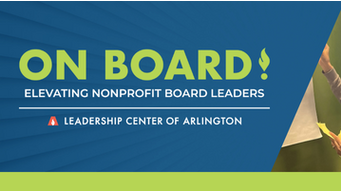
On Board: Elevating Nonprofit Board Leaders, presented by Leadership Center of Arlington
Video
The BKK Beat, Episode 32: IP Law in the News - Fender's Stratocaster, Part 5
News / Publication
23 Attorneys from Bean, Kinney & Korman Recognized as Top Attorneys for 2026 by Arlington Magazine
Blog Post

When Can Nonprofit Employees Volunteer for Their Employer?
Event

What the New Non-Compete Rules Mean for Virginia Employers
Video
The BKK Beat, Episode 31: IP Law in the News - Fender's Stratocaster, Part 4
News / Publication