Strategic Debt Recovery & Judgment Enforcement
Unpaid debts can significantly impact cash flow, business stability, and lender security. When contractual obligations are not honored, prompt and strategic legal action is often necessary to preserve recovery options and protect creditor rights.
Bean, Kinney & Korman represents businesses, financial institutions, landlords, lenders, and other creditors in commercial collection matters throughout Maryland, Virginia, and the Washington, D.C. region. We pursue efficient recovery strategies tailored to each case — balancing litigation costs, timing, and likelihood of recovery.
From demand letters through judgment enforcement, our collections practice focuses on protecting financial interests while maintaining leverage.
Commercial Collections Services
Pre-Litigation Recovery Strategy
- Demand letter preparation
- Contractual default notice review
- Payment negotiation and structured settlement discussions
- Evaluation of guarantor liability
Early intervention can improve recovery outcomes and reduce litigation costs.
Collection Litigation
- Filing breach of contract actions
- Promissory note enforcement
- Guaranty enforcement
- Open account and account stated claims
- Secured and unsecured debt recovery
We pursue disciplined litigation strategy aligned with client recovery goals.
Secured Creditor Enforcement
- UCC Article 9 collateral enforcement
- Repossession strategy
- Commercial Foreclosure
- Priority and lien protection analysis
Proper collateral enforcement increases recovery certainty.
Judgment Enforcement
- Wage and bank garnishments
- Asset discovery proceedings
- Lien and judgment recording
- Debtor examinations
- Turnover orders
Obtaining a judgment is only the first step — enforcement is often the most critical phase.
Bankruptcy & Insolvency Interface
- Proof of claim filings
- Relief from stay motions
- Dischargeability challenges
- Avoidance action defense
- Negotiated bankruptcy settlements
We coordinate collection strategy with bankruptcy proceedings to maximize recovery.
Who We Represent
Our Collections practice represents:
- Commercial landlords
- Financial institutions and private lenders
- Government contractors
- Construction and development firms
- Vendors and suppliers
- Professional service providers
- Franchise systems
- Businesses and Individuals engaged in commercial activity
We focus on commercial debt recovery — not consumer collection matters.
Industries Served
We handle collections matters across industries including:
- Commercial real estate
- Construction and infrastructure
- Financial services and lending
- Government contracting
- Retail and distribution
- Hospitality and franchise operations
- Technology and professional services
- Healthcare providers
Industry knowledge enhances collateral evaluation and enforcement planning.
Collections FAQs
What is commercial debt collection?
Commercial debt collection involves recovering unpaid business-to-business obligations through negotiation, litigation, and judgment enforcement. These cases often involve contracts, promissory notes, or guaranties.
How long does the collection process take?
The timeline varies depending on whether the matter resolves pre-litigation, through court judgment, or requires post-judgment enforcement. Early demand efforts can sometimes resolve disputes quickly, while contested litigation may take longer.
What if the debtor has filed bankruptcy?
If a debtor files for bankruptcy, collection efforts are generally stayed. Creditors must file a proof of claim and may seek relief from the automatic stay. Legal strategy shifts to protecting recovery within the bankruptcy framework.
Can personal guarantors be pursued?
Yes. If a personal guaranty was executed, creditors may pursue the guarantor in addition to the business debtor, depending on contract terms and applicable law.
What happens after a judgment is entered?
After judgment, creditors may pursue enforcement actions such as garnishment, liens, asset discovery, and turnover proceedings to collect on the judgment.





Videos
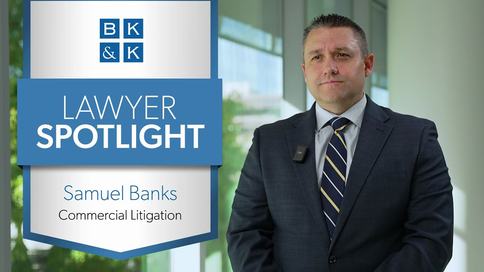

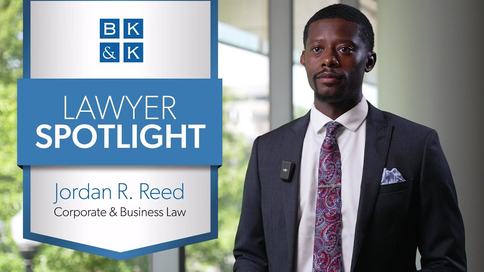
Recent Highlights
Blog Post
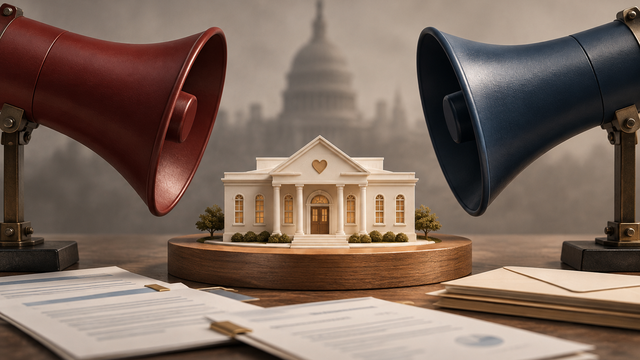
What Is Worrying Our Nonprofit Clients – Part V: Political Risk and the Nonprofit Mission
Event
On Board: Elevating Nonprofit Board Leaders, presented by Leadership Center of Arlington
Video
The BKK Beat, Episode 32: IP Law in the News - Fender's Stratocaster, Part 5
News / Publication
23 Attorneys from Bean, Kinney & Korman Recognized as Top Attorneys for 2026 by Arlington Magazine
Blog Post

When Can Nonprofit Employees Volunteer for Their Employer?
Event

What the New Non-Compete Rules Mean for Virginia Employers
Video
The BKK Beat, Episode 31: IP Law in the News - Fender's Stratocaster, Part 4
News / Publication